
Practical reading activities at home
Reading activities for kids: low-pressure ways to make reading fun
When reading begins to feel like a chore or a test, shift the goal from testing accuracy to building shared curiosity. Start with a five-minute activity around a topic the child genuinely loves, give them control over choices, and stop while the session is still enjoyable.
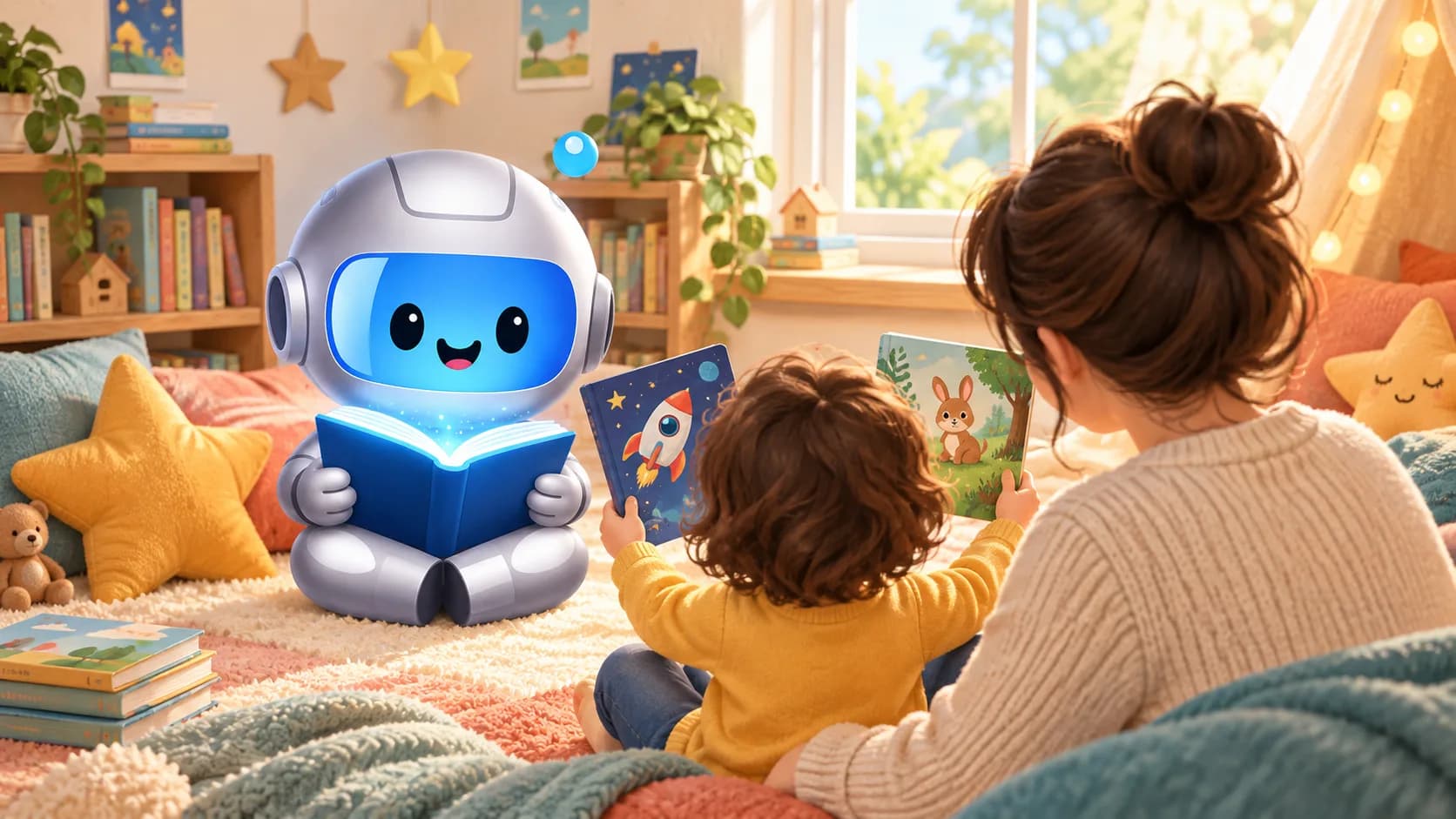
Activity at a glance
- Audience
- Parents, guardians, and children ages 3–8 (especially reluctant or emerging readers)
- Duration & preparation
- 5 to 15 minutes per session · Zero prep; choose one story or topic in advance
- Materials
- A short illustrated story (print or digital)
- Paper and drawing crayons or markers
- Sticky notes for clue hunts
Adaptations
- • For active kids: add physical movement, character poses, or sound-effect bells.
- • For emerging readers: take turns reading sentences or focus on prediction.
- • For multilingual homes: discuss the story or repeat key lines in your home language.
Published by: ELEN Story AI · Updated
Activity 1: The Two-Page Voice Swap (5–10 minutes)
Pick one short illustrated story together, such as an adventure from the public story catalog or a family favorite. Agree on roles before opening page one: the adult reads the narration, while the child chooses a character voice (like a brave tiger or a sleepy robot).
After two pages, switch roles or let the child invent sound effects for background events. By shifting focus from decoding accuracy to vocal expression, children feel immediate ownership without fear of mispronouncing a word.
- Step 1: Choose a short book (under 8 pages) with distinct characters.
- Step 2: Assign character dialogue to the child and narrative lines to the adult.
- Step 3: Swap roles at page three, or add funny sound effects together.
Activity 2: The Picture Detective Clue Hunt (5–10 minutes)
Before reading each page aloud, announce one or two visual "clues" hidden in the artwork—a hidden ladybug, a yellow boot, or a character’s facial expression. As you read the story aloud, the child hunts for the clue and points it out.
This activity strengthens visual comprehension, keeps hands engaged, and ensures children who are not yet reading independently remain active co-investigators of the narrative.
- Give two visual targets before reading the text.
- Pause naturally when the child spots the clue; celebrate their discovery.
- Ask: "What do you think that clue tells us about what happens next?"

Activity 3: Connect reading to their current obsession
If generic stories are falling flat, reconnect reading with what your child already cares about today: construction diggers, bakery treats, outer space, or a family pet. Personal relevance transforms reading from an assignment into an exciting discovery.
You can explore 5-minute bedtime stories for quick evening reads, browse short stories for kids, or create a custom storybook using ELEN, where an adult guides the theme and reviews the illustrated story before sharing it.
- Start with topics they talk about unprompted during playtime.
- Keep story sessions short and positive, ending before fatigue sets in.
- Let them choose between two storybooks rather than assigning one.
Adaptations for different reading stages
Every child develops reading confidence at their own pace. Tailoring the activity prevents frustration and builds momentum.
For ages 3–5 (Emerging Readers): Focus on picture prediction, rhyme repetition, and turning pages together. Point to key words as you read, but do not ask the child to sound them out unless they ask.
For ages 6–8 (Developing Readers): Try buddy reading—you read the left page, they read the right page. If they stumble on a tricky word, offer the word smoothly after a brief pause so narrative momentum is not lost.
What to avoid when reading feels like a struggle
Protecting confidence is more important than tracking errors. Avoid interrupting every sentence to correct minor pronunciation slips, which turns storytime into an oral examination.
Never force a child to finish a story they actively dislike. Instead, model graceful choice: "This one wasn’t for us today—let’s pick another one!"
Make a story for your family
Describe the idea, choose a broad content level and language, then review the finished story before sharing it with a child profile.
Questions parents ask
What if my child refuses to sit still during read-aloud time?
Sitting motionless is not required for comprehension. Let your child color, build with blocks, act out characters, or pace while you read aloud. Physical engagement often helps active kids absorb story details better.
Should I correct reading mistakes immediately?
Not during shared enjoyment reading. If the mistake doesn’t change the meaning (e.g. saying "home" instead of "house"), let it go. If it disrupts understanding, finish the sentence and reread it together gently.
How long should a daily reading activity last?
Five to fifteen minutes of enthusiastic, shared reading is far more impactful than thirty minutes of reluctant struggle. Consistency and positive association matter most.
Can digital illustrated stories count toward reading time?
Yes, when experienced together. Shared digital storybooks with high-quality illustrations and adult dialogue provide the same narrative benefits as print books.


